Hardware & Licensing
Server Solutions & MS LicensingEnterprise hardware + SPLA/CSP/OEM licensing PC-3000 Data RecoveryACE Lab recovery & forensics systems
Telecom Software
SDMS + DSPNew revenue growth for operators Deep Packet InspectionOptimize networks, elevate revenue
Next-Gen Infrastructure
KosmoCoreTokenized core network for MVNOs KOSMORelay CashNext-gen SIM wallet payments
Support
Portal login
Next-Gen Infrastructure

KosmoCore

You want to launch an MVNO, but every quote comes back with a 9-to-12-month build, a CAPEX line that assumes you're a mobile network operator, and a service agreement that puts someone else in control of your network quality. KosmoCore tokenizes network resources into a liquid, tradeable marketplace — so you buy exactly the core network you need, launch in weeks, and never sign an MNO agreement that boxes you in.


Data Labs cloud infrastructure architect
Isometric illustration of a tokenized blockchain network connecting cell towers
Technical diagrams

The architecture, laid out.

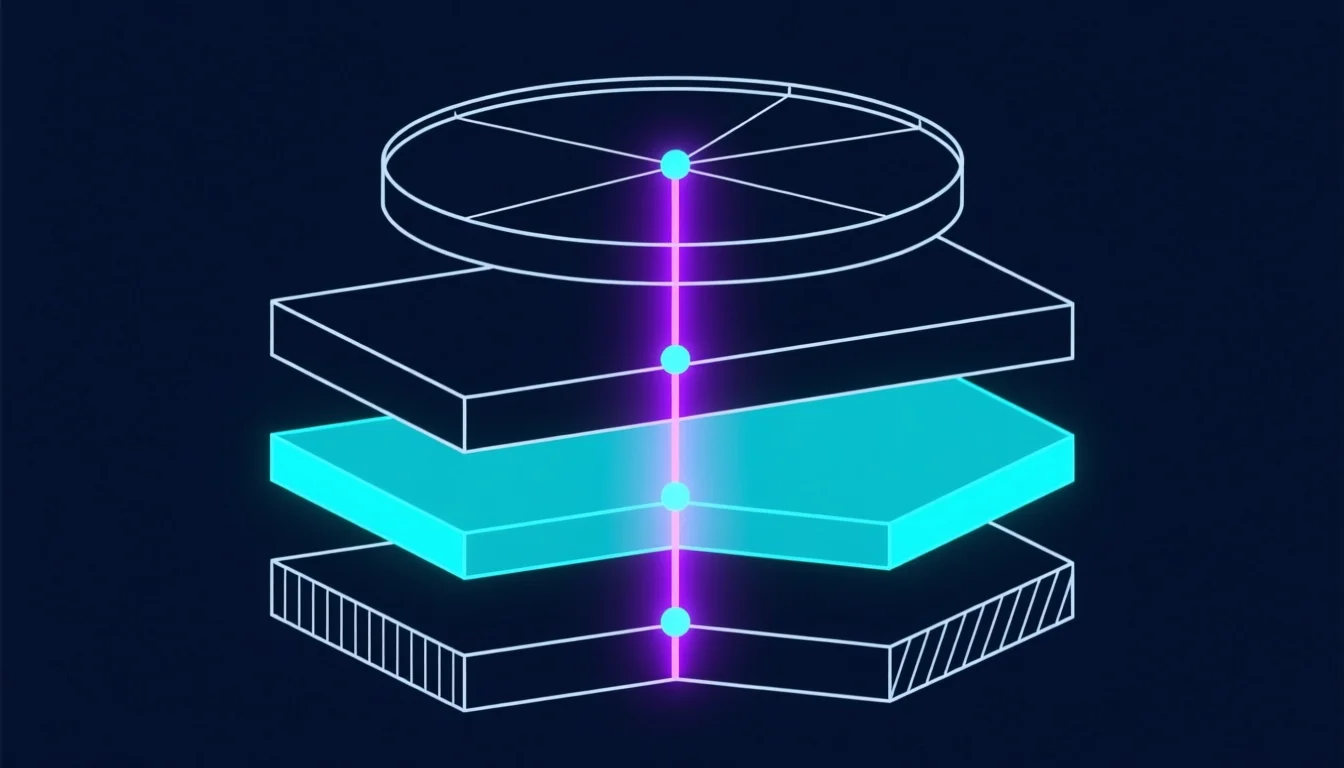
Exploded diagram of the four-layer KosmoCore architecture

Fig. 1 — Layered architecture. Service, blockchain, virtualized core, and physical infrastructure — four independently scalable layers.

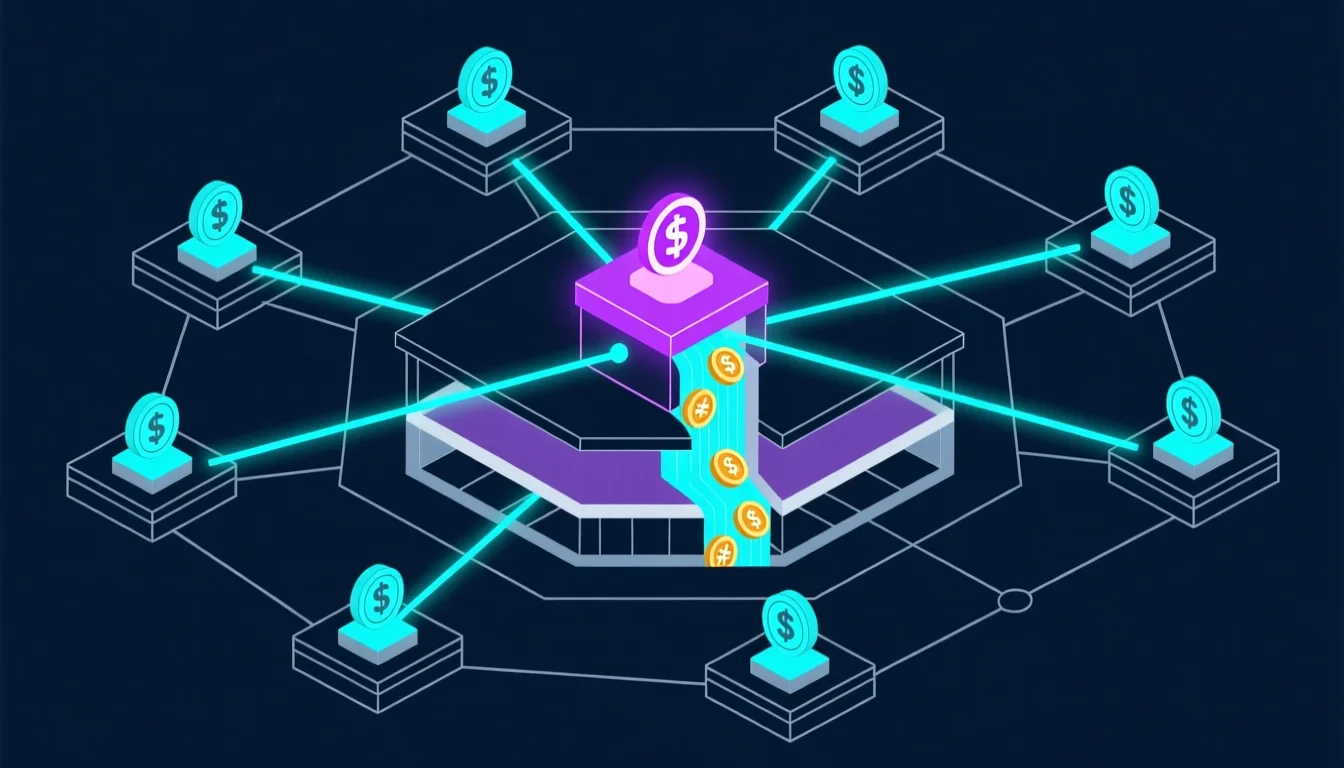
Diagram of network resources being tokenized and flowing through a decentralized marketplace

Fig. 2 — Resource tokenization. Network resources converted into tradeable tokens, flowing through a decentralized marketplace.

The MVNO challenge

Traditional MVNOs are boxed in.

High operational costs

Prohibitive infrastructure investment and expensive MNO service agreements.

Limited scalability

Rigid agreements and technical limits restrict growth and responsiveness.

Dependency issues

Minimal control over network resources and service quality.

Complex integration

MNO integration requires specialized expertise and significant time.

What is KosmoCore

Network resources, tokenized.

KosmoCore transforms traditional MVNO operations through a blockchain-based approach. By tokenizing network resources, we create a marketplace where operators dynamically access and trade bandwidth, compute, and specialized network functions — no intermediaries, transparent and immutable transaction records.

Tokenized access

Network resources converted into transferable digital tokens.

Decentralized infrastructure

Distributed core network functions with no single point of failure.

Smart contracts

Automated service agreements and settlements — no manual reconciliation.

Rapid, low-cost launch

Launch in weeks instead of months, with up to 60% lower CAPEX and 40% lower OPEX.

Why it works

Four steps from resource to revenue.

This is the mechanism underneath "tokenized core network" — how a network function actually turns into something you can buy, use, and get billed for automatically.

1

Resource tokenization

Network assets — bandwidth, compute, specific functions — are converted into transferable digital tokens.

2

Marketplace trading

Operators buy and sell tokens based on real-time requirements, instead of negotiating a fixed long-term contract.

3

Access authorization

Tokens unlock the specific network functions and capacity they represent — no manual provisioning step.

4

Automated settlement

Smart contracts execute payment the moment a service is consumed — no manual billing reconciliation, no disputes.

Benefits for operators

Cost centers become profit centers.

Competitive advantage

First-mover benefits in the tokenized telecom space, while competitors are still negotiating MNO agreements.

New revenue streams

Monetize excess capacity through token transactions instead of writing it off as sunk infrastructure cost.

Operational flexibility

Dynamic resource allocation based on actual demand, not a contract signed a year before you needed it.

Cost reduction

Up to 60% lower CAPEX and 40% reduced OPEX by accessing only the resources you need, when you need them.

Technical architecture

Four layers, one platform.

Containerization and microservices create modular network functions that scale independently, while the blockchain layer handles secure transactions.

01

Service Layer

User interfaces, dashboards, and management tools for MVNO operators.

02

Blockchain Layer

Smart contracts, token management, and transaction validation.

03

Virtualized Core Functions

Containerized network functions with API interfaces.

04

Physical Infrastructure

Distributed servers, edge computing nodes, and network equipment.

Real-world use cases

Proven across market segments.

Rapid MVNO launch

A media company launches mobile services in 4 weeks instead of 9–12 months by purchasing tokenized access to pre-configured network slices — 75% lower initial investment.

Rural coverage expansion

A regional operator extends service to underserved communities via locals contributing compute resources for tokens — a community-owned network.

Enterprise private networks

A manufacturer establishes secure private 5G for smart factories via specific network-function tokens, keeping full data sovereignty.

Pay-as-you-grow — access only what you need.

Talk to us about launching your MVNO on KosmoCore.