AI & Subscriber Intelligence
Noosphere NewPrivate AI that acts in the subscriber's interest Cheyenne Data Center NewDedicated colocation footprint for AI fine-tuning
Hardware & Licensing
Server Solutions & MS LicensingEnterprise hardware + SPLA/CSP/OEM licensing PC-3000 Data RecoveryACE Lab recovery & forensics systems
Telecom Software
SDMS + DSPNew revenue growth for operators Deep Packet InspectionOptimize networks, elevate revenue
Next-Gen Infrastructure
KosmoCoreTokenized core network for MVNOs KOSMORelay CashNext-gen SIM wallet payments
Support
Portal login
Dedicated AI Infrastructure · New

Cheyenne Data Center

Noosphere runs on data that most vendors would rather touch through an API. That only works if the physical infrastructure underneath it is actually private — not a shared GPU pool billed by the hour, with someone else's workloads on the same silicon. Data Labs operates a dedicated colocation footprint inside CHWY1, a carrier-neutral facility in Cheyenne, Wyoming — the racks where fine-tuning and inference for our AI layer physically run, isolated by contract and by cage, not just by a login.

Data Labs infrastructure engineer at the Cheyenne data center
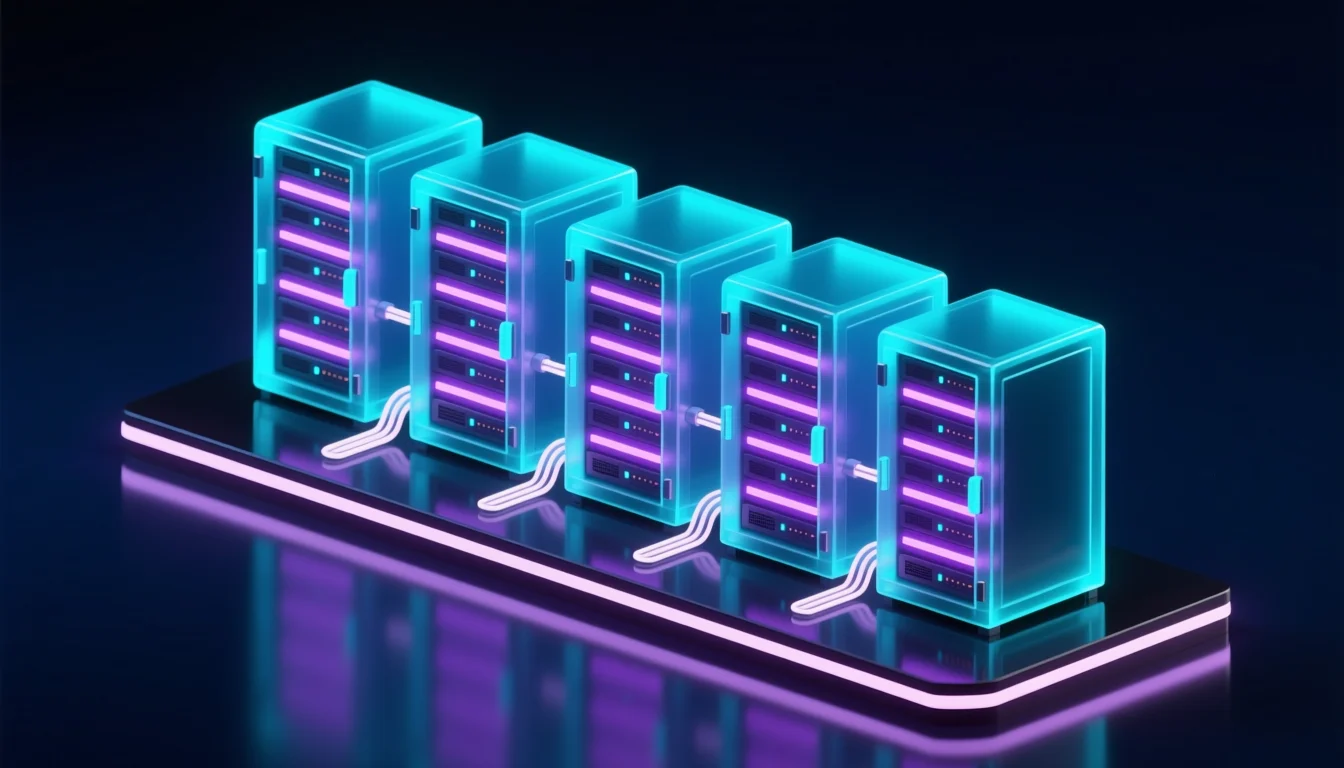
Isometric illustration of a row of glowing server racks, representing the Cheyenne data center
Why a dedicated footprint

Fine-tuning on operator data isn't a workload you rent by the hour.

Public cloud GPU rental is fine for a demo. It's the wrong foundation for a model trained on CDR, billing, and CRM history — because "your data, isolated" in a multi-tenant cloud is a policy setting, not a physical fact. A dedicated colocation footprint makes it a physical fact instead: the same rack, the same cage, the same private network, from onboarding through every retrain.

Physical isolation, not a config flag

Dedicated racks in a private cage — no noisy-neighbor workloads, no shared hypervisor, nothing to misconfigure into a leak.

Built for GPU density

Power and cooling provisioned for sustained fine-tuning workloads, not bursty web-app traffic a shared DC is optimized for.

One jurisdiction, one contract

Data residency and access terms fixed by lease and SLA with a single carrier-neutral operator — not a hyperscaler's global terms of service.

The facility

CHWY1 — carrier-neutral, disaster-resilient, built to scale.

Operated by Fifteenfortyseven Critical Systems Realty. Data Labs' footprint sits inside their existing Cheyenne facility rather than a purpose-built shell — proven power, cooling, and connectivity from day one instead of a 12-month build.

20,000
sq. ft. data hall (42,000 sq. ft. total building, 10+ acres adjacent for expansion)
5 MW
on-site power capacity, 4 MW provisioned — headroom for dense GPU racks
<1.3
PUE — low-cost, efficient power for sustained training workloads
4
carrier-neutral network providers — Lumen, Zayo, Charter/Spectrum, Viaero Fiber
Why Wyoming

Central, stable, and quietly built for this.

1

Geographically boring, on purpose

Wyoming's central, low-disaster-risk location makes it a standard choice for primary infrastructure and disaster recovery — no hurricane season, no wildfire corridor, no seismic zone.

2

Low-latency to the hubs that matter

10 and 100 GB fiber with redundancy across four carriers, and low-latency routes to New York, Los Angeles, Chicago, and Dallas — close enough to every major US interconnection point without paying coastal real estate prices for it.

3

A state built around data and digital assets

Wyoming has spent years building some of the most explicit legal and regulatory clarity in the US for data infrastructure and digital-asset businesses — a genuinely friendly jurisdiction to run long-lived, sensitive infrastructure in, not just a low-tax mailing address.

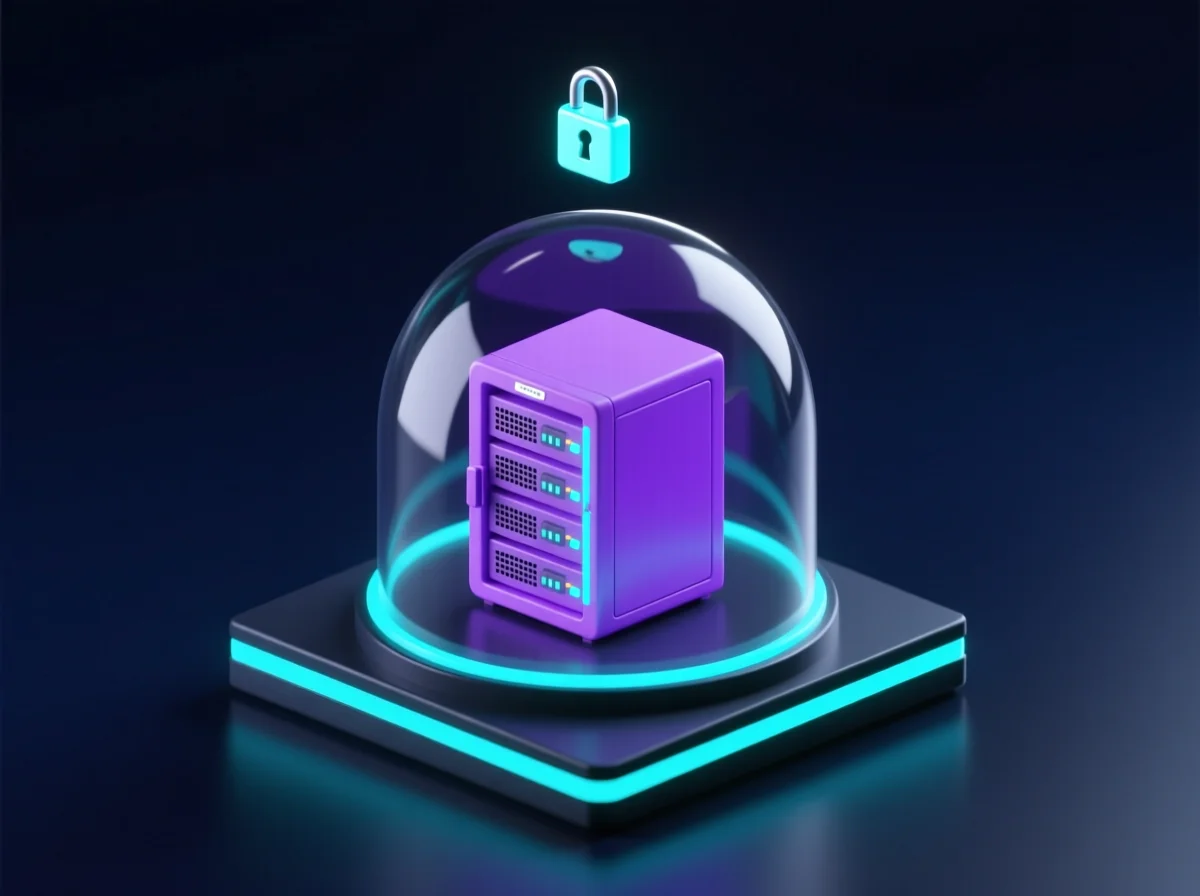
Isometric illustration of a single server rack enclosed in a glowing protective glass dome with a lock icon above it, representing dedicated and isolated infrastructure

Dedicated means isolated. One tenant's racks, one tenant's network segment, one tenant's data — by cage, not by config.

What runs here

The physical layer under Noosphere.

This is where the "private, sovereign deployment" claim in Noosphere actually resolves to hardware — the foundation model adaptation, the customer embedding training, and the always-on inference that turns operator event history into decisions never leave this footprint.

Fine-tuning & embedding training

Domain adaptation and LoRA/SFT runs on operator event history, on dedicated GPU capacity sized for sustained training, not burst inference.

Live inference

Propensity scoring and recommendation inference run continuously against the Customer Twin — low-latency, on infrastructure that never shares a host with another tenant's workload.

Encrypted data lakehouse

CDR, billing, and CRM history land in an encrypted lakehouse on-site — RBAC, audit logging, and DLP enforced at the same physical layer as the compute.

See where your data would actually live.

Talk to us about a dedicated footprint for your operator's Noosphere deployment.