Hardware & Licensing
Server Solutions & MS LicensingEnterprise hardware + SPLA/CSP/OEM licensing PC-3000 Data RecoveryACE Lab recovery & forensics systems
Telecom Software
SDMS + DSPNew revenue growth for operators Deep Packet InspectionOptimize networks, elevate revenue
Next-Gen Infrastructure
KosmoCoreTokenized core network for MVNOs KOSMORelay CashNext-gen SIM wallet payments
Support
Portal login
Telecom Software

Deep Packet Inspection (DPI)

Network congestion is eating your QoS, regulators keep raising the compliance bar, and your data plans generate the same flat revenue they did two years ago. Data Labs DPI processes all IP network traffic in real time — turning that exact set of operational headaches into competitive advantages instead.


Data Labs network operations analyst reviewing DPI traffic data
Isometric illustration of network traffic being scanned and sorted by a DPI gateway
Technical diagrams

Where DPI sits, and what it does.

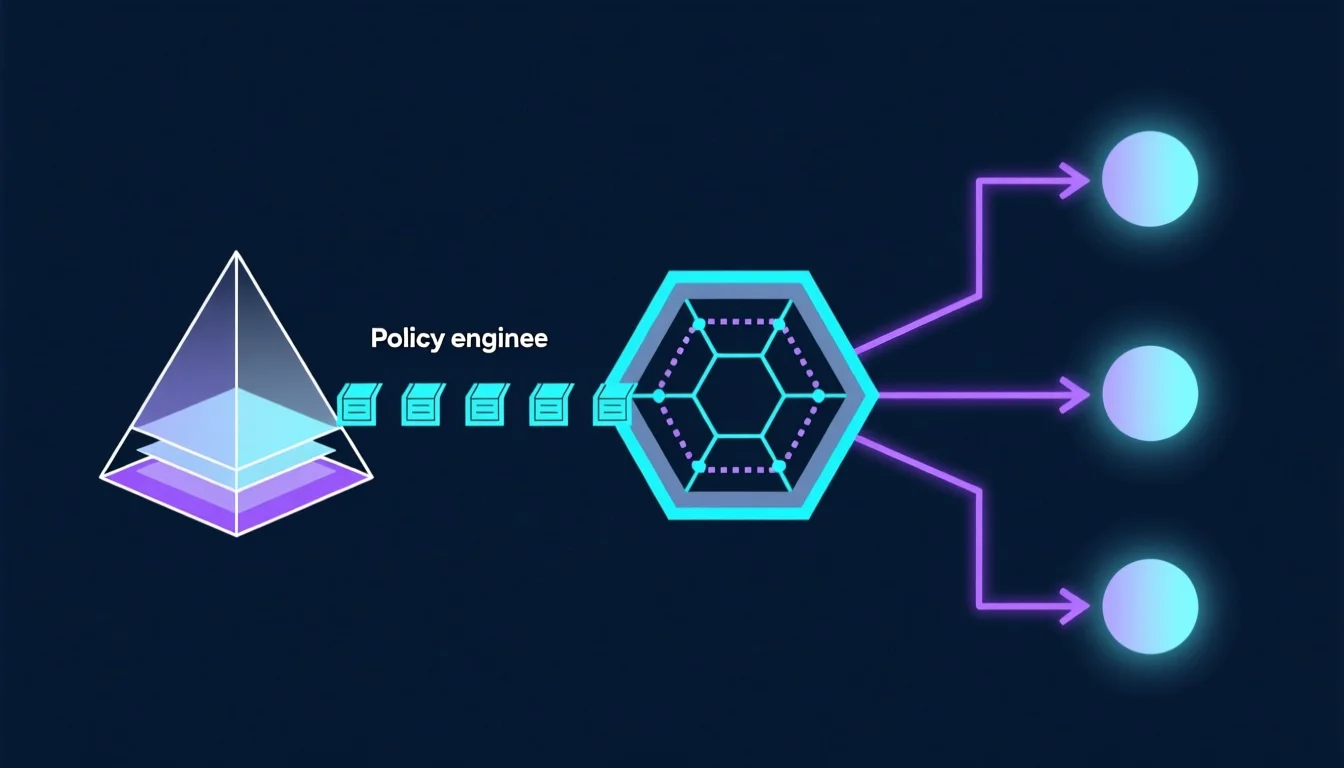
Diagram of the DPI inspection pipeline from raw traffic through classification, policy, and action

Fig. 1 — Inspection pipeline. Traffic classified, policy-matched, and branched into an action — in real time, at line rate.

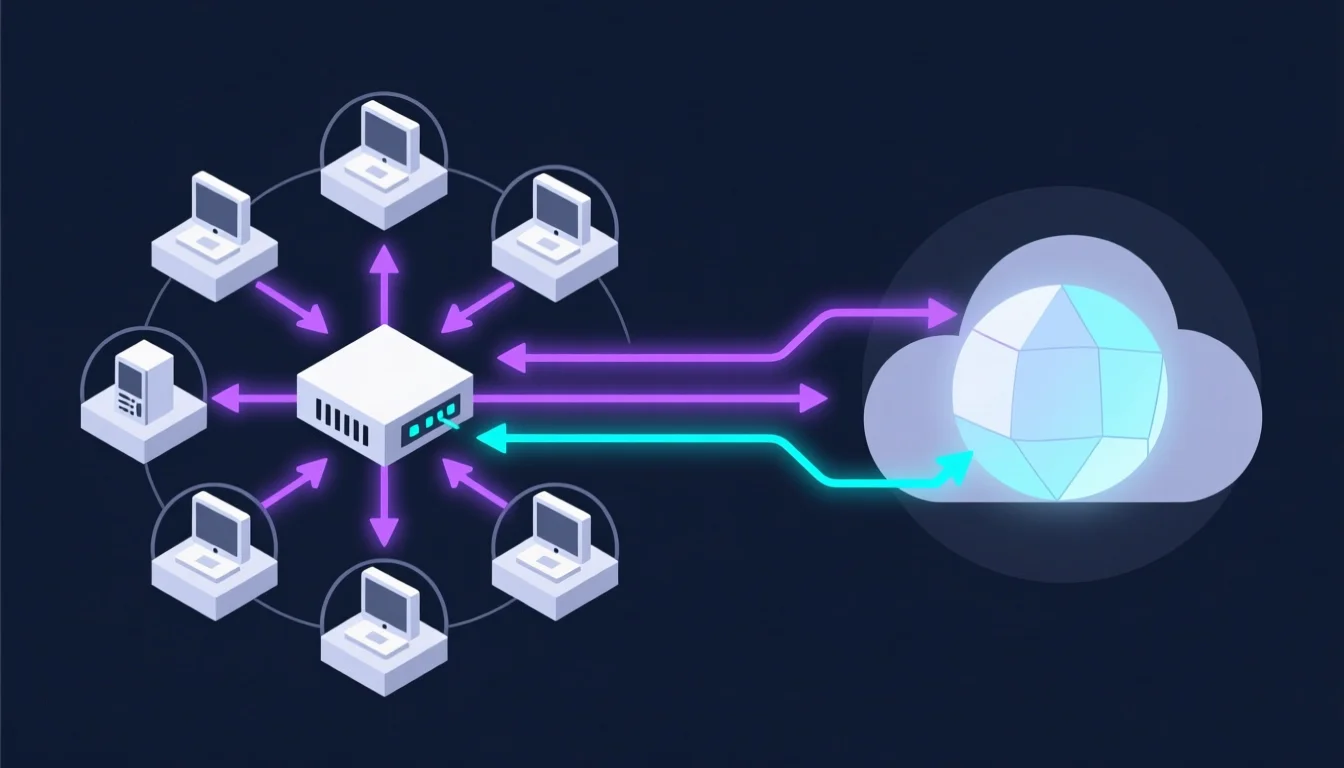
Diagram of a DPI gateway positioned inline between subscriber devices and the core network

Fig. 2 — Network topology. The DPI gateway sits inline between subscriber devices and the core network — nothing bypasses it.

250M+
Subscribers served
150+
Tbps optimized network performance
24/7
Support
If this is your network

Five pressures hitting operators at once.

None of these show up alone. Congestion drives complaints, complaints drive churn, and meanwhile the compliance and security bills keep climbing — all while ARPU sits flat.

Network congestion

Peak-hour traffic is outpacing capacity, and every upgrade cycle is more CAPEX for the same complaints.

Regulatory pressure

Content control and reporting requirements keep expanding — manual compliance doesn't scale with them.

Revenue stagnation

Flat-rate data plans generate the same ARPU quarter after quarter, with no lever to pull.

Security threats

DDoS, malware, and illegal content distribution keep evolving faster than manual monitoring can track.

Core capabilities

Every operator pain point, addressed.

Network performance

Real-time traffic analysis for bandwidth optimization, congestion management, and significant CAPEX/OPEX reduction.

Automated compliance

Streamlined regulatory compliance and robust security, protecting operators from evolving threats and penalties.

New revenue streams

Traffic monetization through tiered services, premium differentiation, and data analytics-driven advertising.

Enhanced QoS

Superior quality of service that reduces subscriber churn and strengthens competitive advantage.

The mechanism

Inside the inspection pipeline.

This is what actually happens to a packet between "enters your network" and "billed, shaped, or blocked."

1 RAW TRAFFIC unclassified packets 2 INSPECTION classify, at line rate 3 POLICY ENGINE rules per tier 4 ACTION shape · bill · block

Raw traffic — every packet crossing the network, unclassified and untouched.

Inspection — real-time classification by application, protocol, and subscriber, in-line at line rate.

Policy engine — rules decide what happens next, per traffic class, per subscriber tier.

Action — shape, prioritize, monetize the tier, block the threat, or log it for compliance.

Strategic advantages

From cost center to profit center.

Optimized network & reduced OPEX

Advanced traffic management combats congestion, lowering operational expenditure while improving QoS.

Agile compliance & revenue growth

Rapid, custom signature development adapts quickly to evolving regulatory demands and new revenue models.

Flexible deployment & CAPEX optimization

Compatible with X86 network appliance platforms and multiple vendors — full vendor independence.

Ready to see DPI in your network?

Talk to our team about a proof-of-concept deployment.